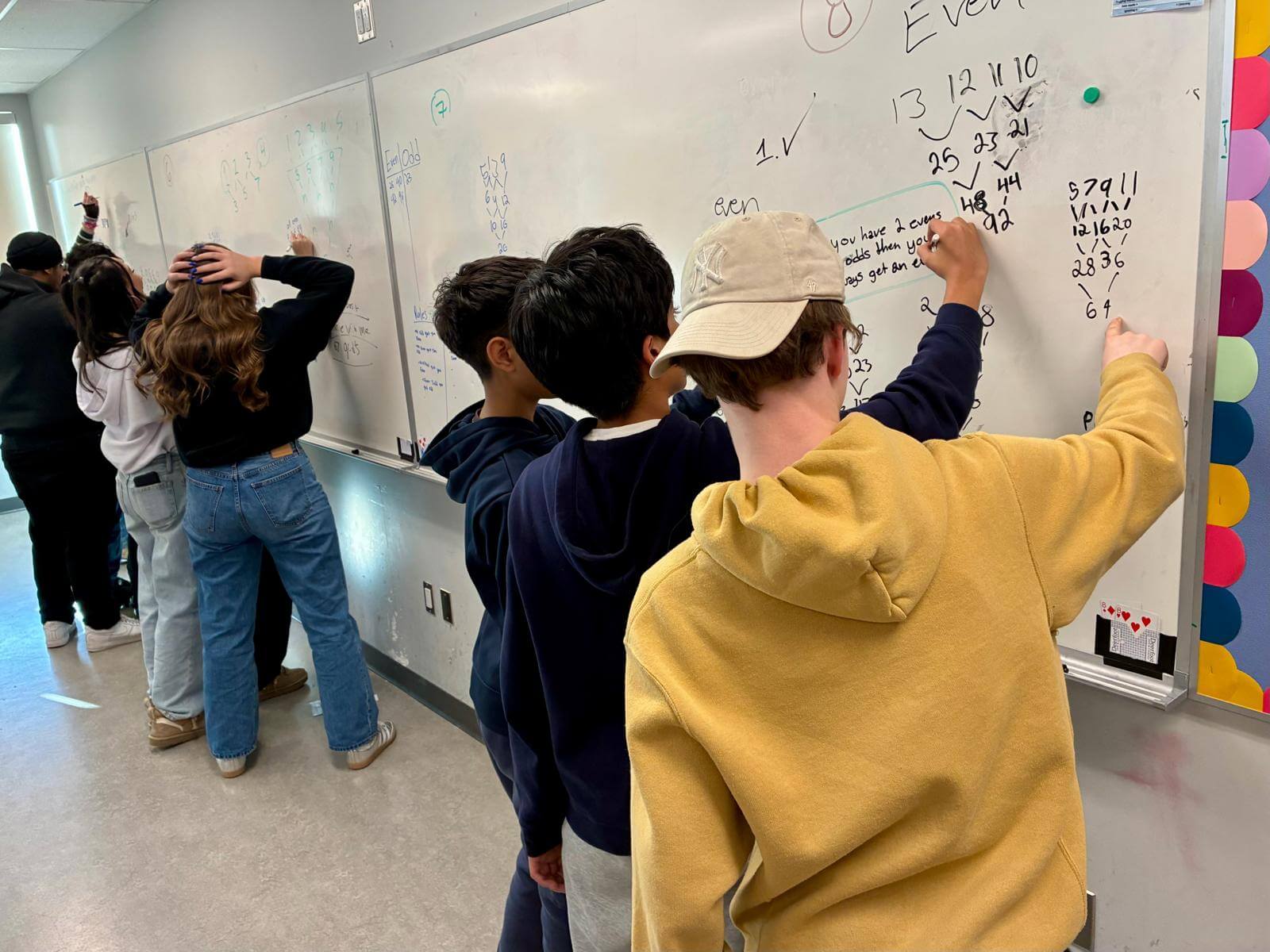
Thank you to everyone who joined us for the first conference dedicated to applying the Building Thinking Classrooms framework to every subject area K–12.
You know the framework changes how students approach problems. But "thinking" isn't exclusive to mathematics. Whether you are analyzing historical texts, conducting science labs, or critiquing literature, the battle against passive learning is universal.
In November 2026, this conference brought together educators from all disciplines to translate the 14 practices of thinking classrooms into new contexts.
Based on 15 years of research by Peter Liljedahl, the Building Thinking Classrooms framework is a set of 14 teaching practices designed to get students thinking instead of mimicking. It moves instruction away from passive listening and towards active, collaborative problem-solving using vertical surfaces and random groups.
Learn more at the official websiteUsing vertical surfaces for essay planning, literary analysis, and collaborative writing.
Foster the resilience and hypothesis-testing mindset required for true scientific inquiry.
Go beyond the basics with advanced sessions on consolidation, assessment, and flow.
Strategies for cultural change, observation tools, and supporting teachers through implementation.
Thank you to the experts and presenters who came to Calgary to help us refine our practice.
Keynote Speaker
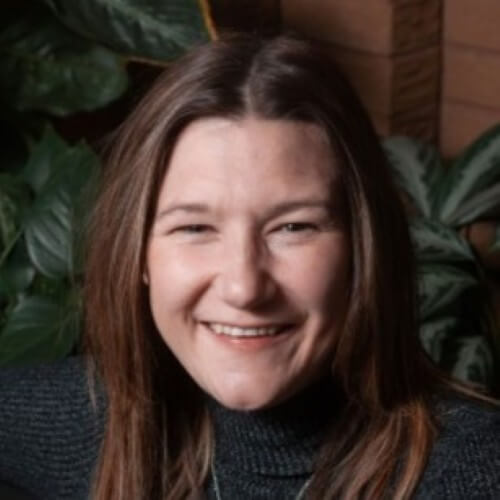
Author & Professor, SFU. Setting the stage for how these revolutionary practices are evolving beyond the math classroom.
Speaker
Co-author and expert facilitator, specializing in classroom culture and adapting tasks for diverse needs.
Speaker
Co-author and expert facilitator, offering practical insights on implementation and assessment.
Browse the full 2026 presenter lineup on our schedule platform.
See the DirectoryFrom vertical surfaces in French class to random groups in Physics, the 2026 program spanned Art to Zoology. Attendees can revisit the sessions, presenters, and shared resources on the schedule.
Sessions Across 7 Strands
Designing thinking spaces that honor every learner — Indigenous education, neurodiversity, and ELL support.
Evaluating student thinking, building rubrics, and communicating progress beyond traditional grading.
BTC practices in Language Arts, Social Studies, Science, Arts Education, and beyond.
Integrating AI and digital tools without disrupting the collaborative thinking process.
Supporting teachers, shifting school culture, and leading PD that models thinking practices.
Deep dives into the 14 practices — flow, consolidation, task sequencing, and more.
Real stories from the classroom — successes, productive failures, and honest pivots.

Open the 2026 schedule and select a session. Where presenters have shared slides or handouts, you’ll find them attached to that session.
We have nothing to announce just yet. Join our mailing list or follow us on Instagram and Facebook to be the first to hear what’s next.
For general questions, email info@btccalgary.com. For registration, payment, or receipt questions, contact our partners at APLC: calgary@aplc.ca.